
We do .
Education
Smart Path
Research
Education
Smart Path
Research
Latest Analysis from the Grocery Price Tracker Project in Greater Cincinnati
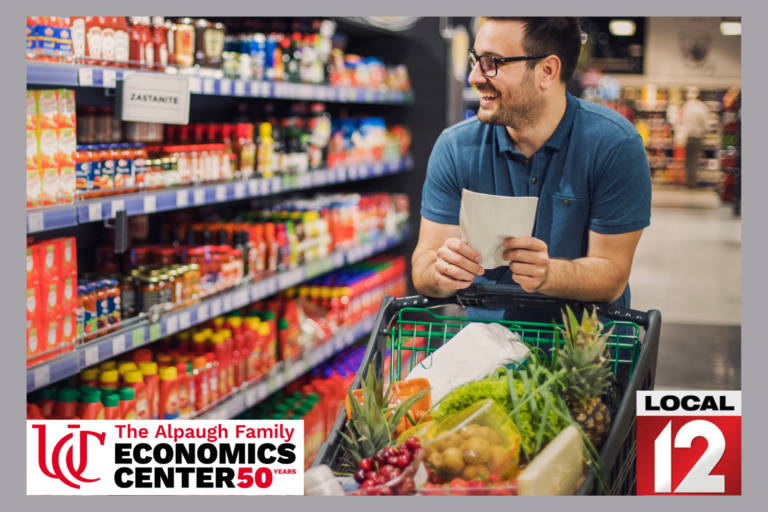
For over a year, we’ve partnered with Local 12 News to help Greater Cincinnati shoppers make sense of what’s happening to grocery prices, and where they can save.
Our latest Price Tracker analysis is out: overall prices jumped 1.09% in August, the fastest monthly increase since February, driven largely by berries coming off their summer highs. But it’s not all bad news — several staples, including top sirloin, cod, and deli turkey, actually got cheaper.
See what’s driving the changes (and what to watch for at the store) below.
Alpaugh Family Economics Center Research Associate Dr. Ben Brennan Interviewed by Local 12 about Grocery Items Disappearing from Shelves
The Alpaugh Family Economics Center's Analysis of July Grocery Prices in Greater Cincinnati

Every month, Alpaugh Family Economics Center Research Associate Dr. Ben Brennan and his team track the price of dozens of everyday grocery items—from produce and protein to pantry staples—to give consumers a concrete, data-driven look at how the cost of living is actually changing.
Inflation numbers in the news can feel abstract; our Price Tracker series grounds them in specifics, showing exactly which items are getting cheaper, which are climbing, and the market forces behind those shifts.
In this month’s edition, we dig into July 2026, when overall prices ticked down as seasonal produce got cheaper, even as certain cuts of meat, coffee, and blackberries moved higher on tightening supply.
Check out the team’s analysis for the full breakdown, including a month-by-month view of price growth since last September and a complete price list for every item we track.
July 2026 Price Tracker
In July, overall prices fell relative to June. This was driven mainly by seasonal changes in produce prices, as peaches, pears, celery, and green bell peppers all saw significant price decreases. This was tempered by increased meat prices.
| Month | Monthly Growth | Growth Since September 2025 |
|---|---|---|
| January | -1.88% | -1.34% |
| February | 1.43% | 0.07% |
| March | -0.46% | -0.39% |
| April | -0.33% | -0.72% |
| May | 0.84% | 0.12% |
| June | -0.08% | 0.03% |
| July | -0.36% | -0.32% |
Co-Executive Director Sue Heilmayer Talks About Using AI for Financial and Investing Decisions on Local 12's "Good Morning, Cincinnati!"

Alpaugh Family Economics Center's Research Analysis of Local Grocery Prices
Alpaugh Family Economics Center Research Associate Dr. Ben Brennan is leading the team that’s tracking grocery prices at dozens of stores across Greater Cincinnati and Northern Kentucky, in order to identify pricing trends that will help inform consumers.
In June, overall prices fell relative to May. This was driven mainly by seasonal changes in produce prices, as peaches, blueberries, tomatoes, and blackberries all saw significant price decreases. This was tempered by increased meat and dairy prices, though.
Our Susan Sargen Student Enterprise Program (StEP), As Explained by Students and Volunteers
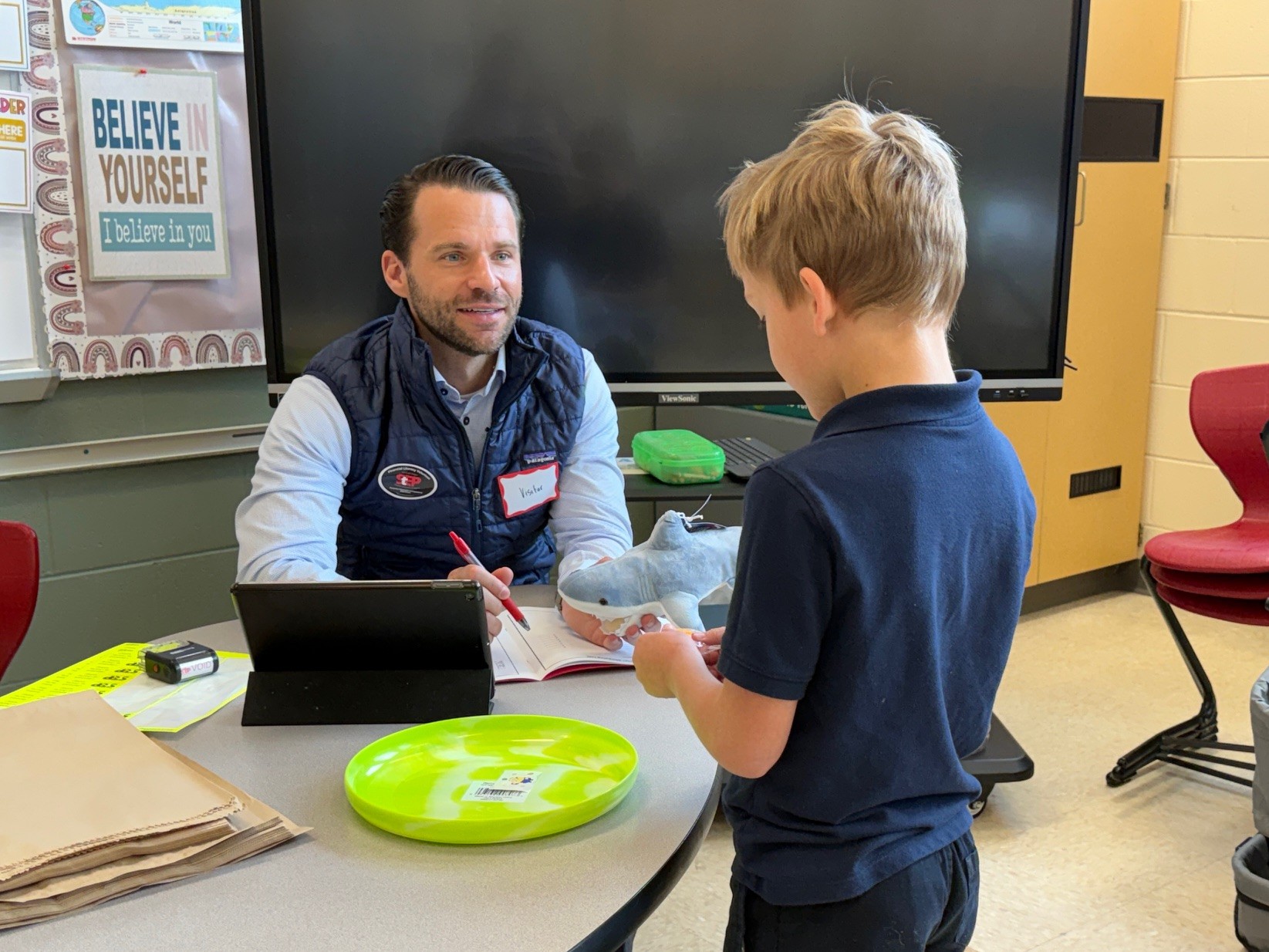
In StEP, students earn StEP bucks for good behavior and attendance, tracking their earnings and setting goals for spending, saving, and donating their StEP bucks. Each quarter, our StEP team and volunteers stage a StEP store in their schools, giving kids a chance to re-stock school supplies, buy toys and gift cards, and donate to the schools’ chosen charities.
In addition to learning how to manage money, save, and be generous, kids get to practice talking to adults, as they interact with adults at the checkout tables. Here’s why that matters so much.
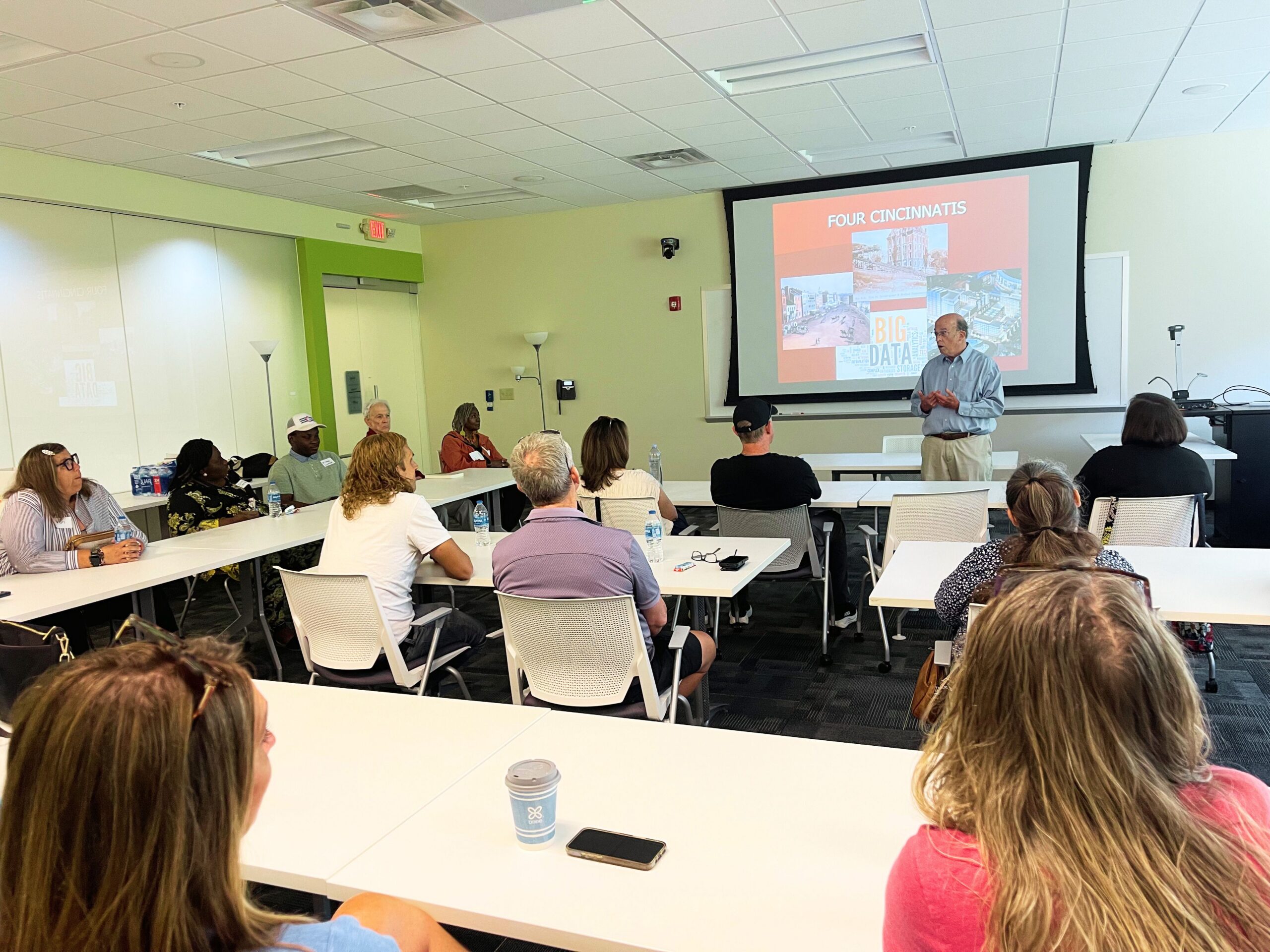
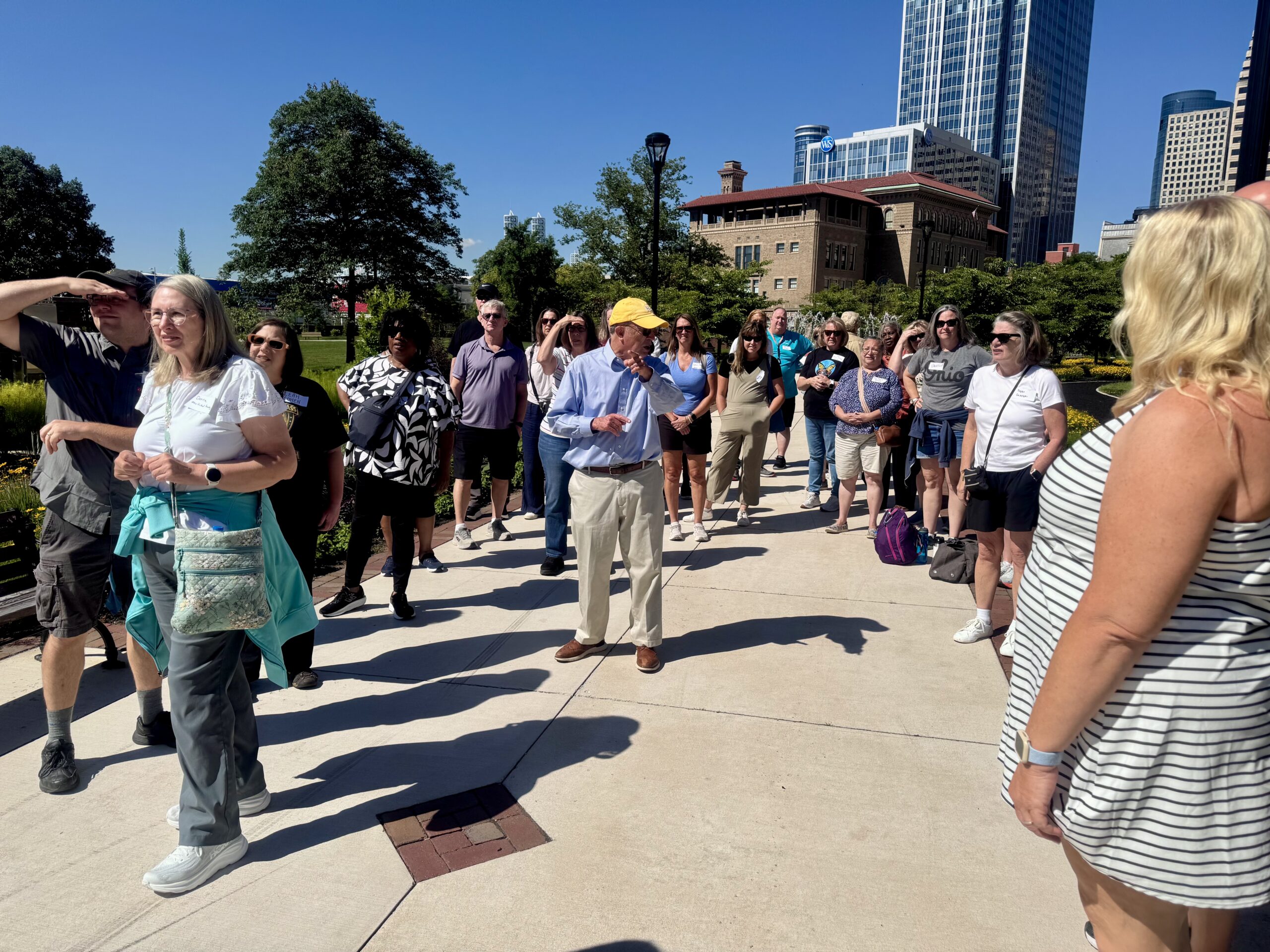
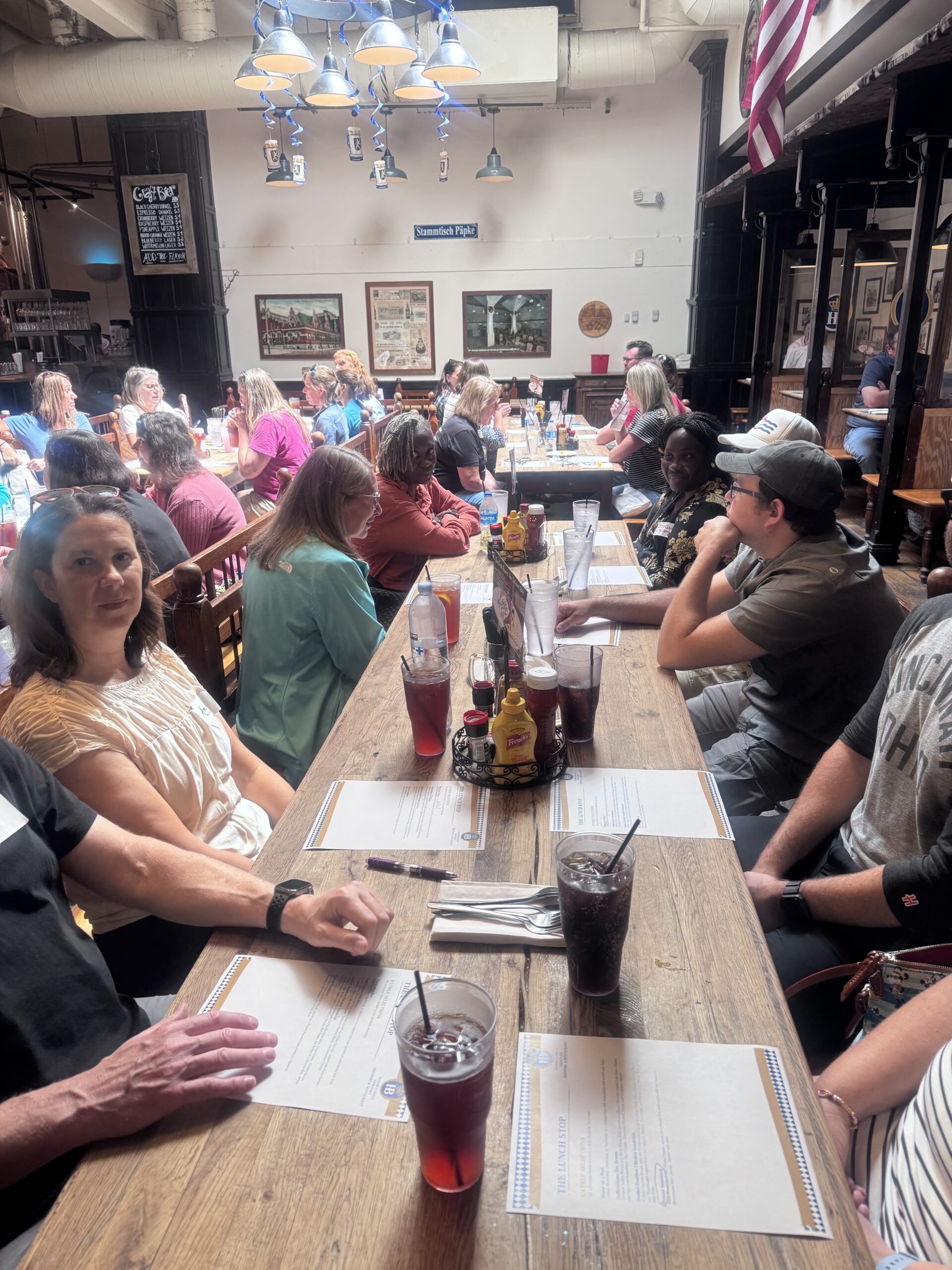
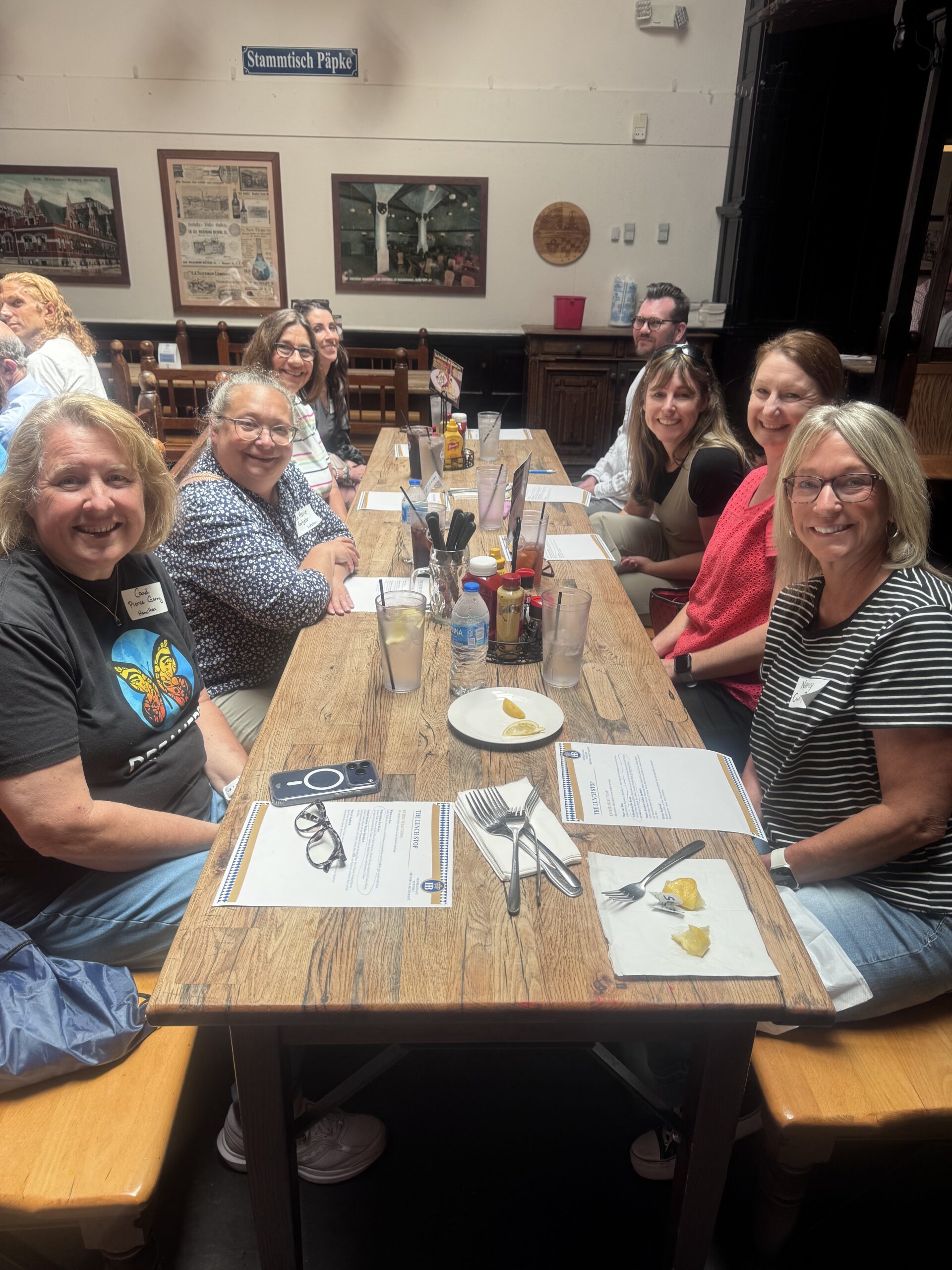
Dozens of Educators Attend our Historical Bus Tour Professional Development Event






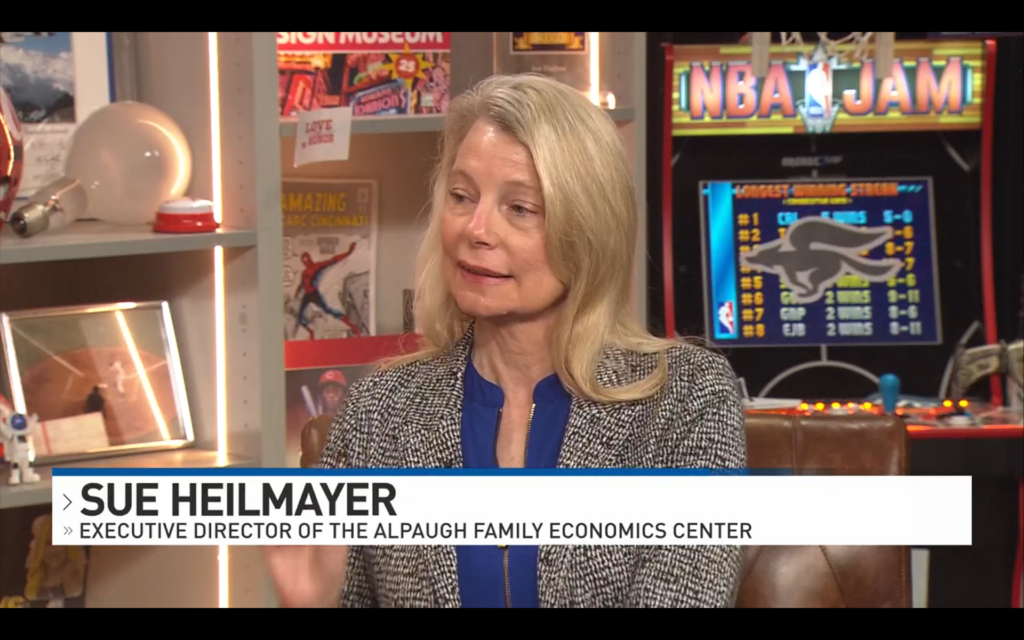
Co-Executive Director Sue Heilmayer Explains Big Changes Coming to Student Loans on Local 12 News

May Analysis of Greater Cincinnati Grocery Prices
The Economics Center’s research team is collaborating with Local 12 News in Cincinnati to provide viewers with up-to-the-minute grocery pricing data and trends in the Greater Cincinnati area. Our team is gathering pricing data from dozens of stores across the Tristate in an effort to provide useful consumer data to shoppers.
Here is the latest report from Dr. Ben Brennan, who’s leading up the project at the Economics Center:
Center Co-Executive Director Sue Heilmayer Appears on Local 12 to Talk about Teens and Sports Betting
Market Madness Brings 1,100+ Student Entrepreneurs to Fifth Third Arena

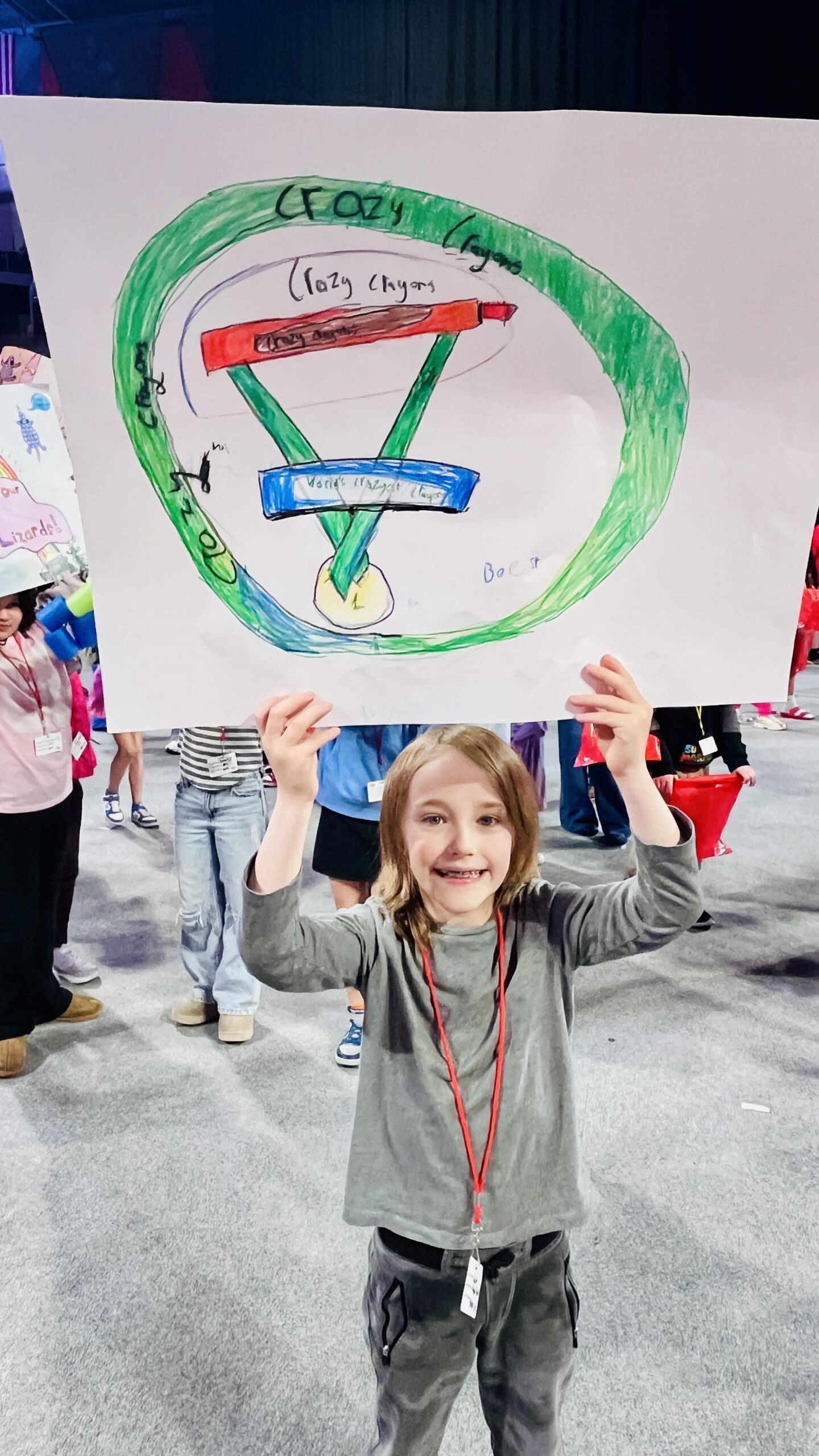

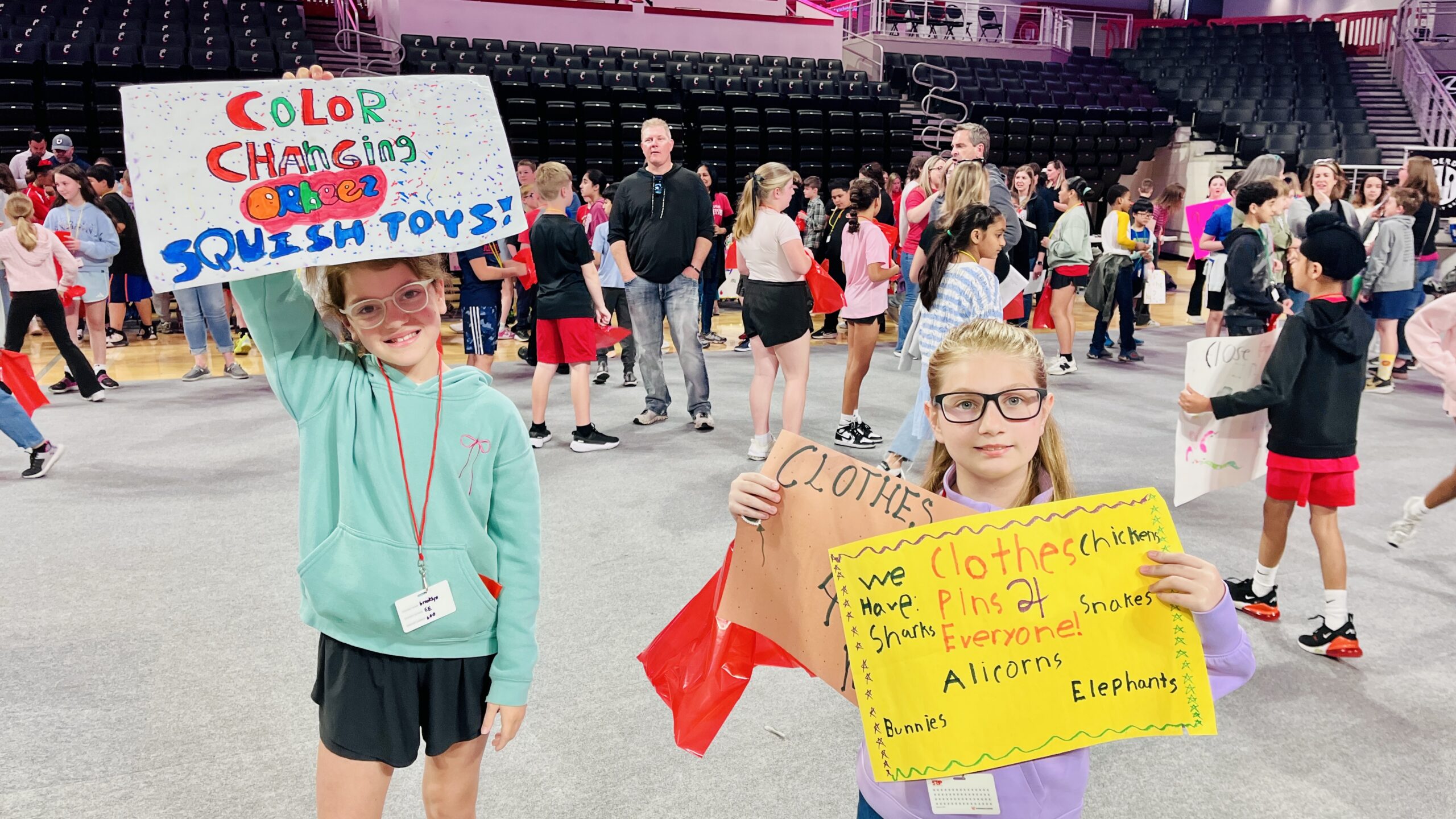






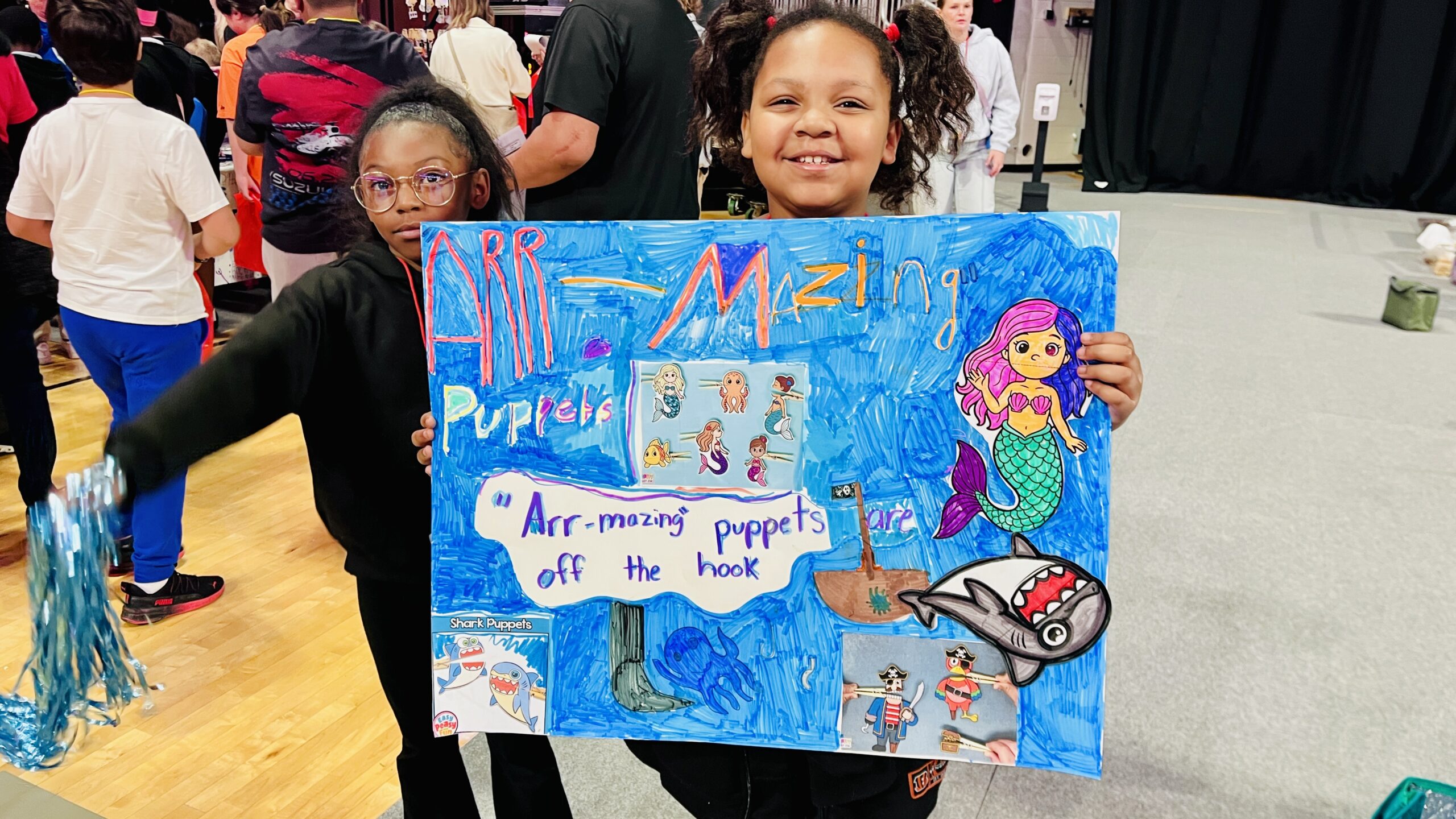


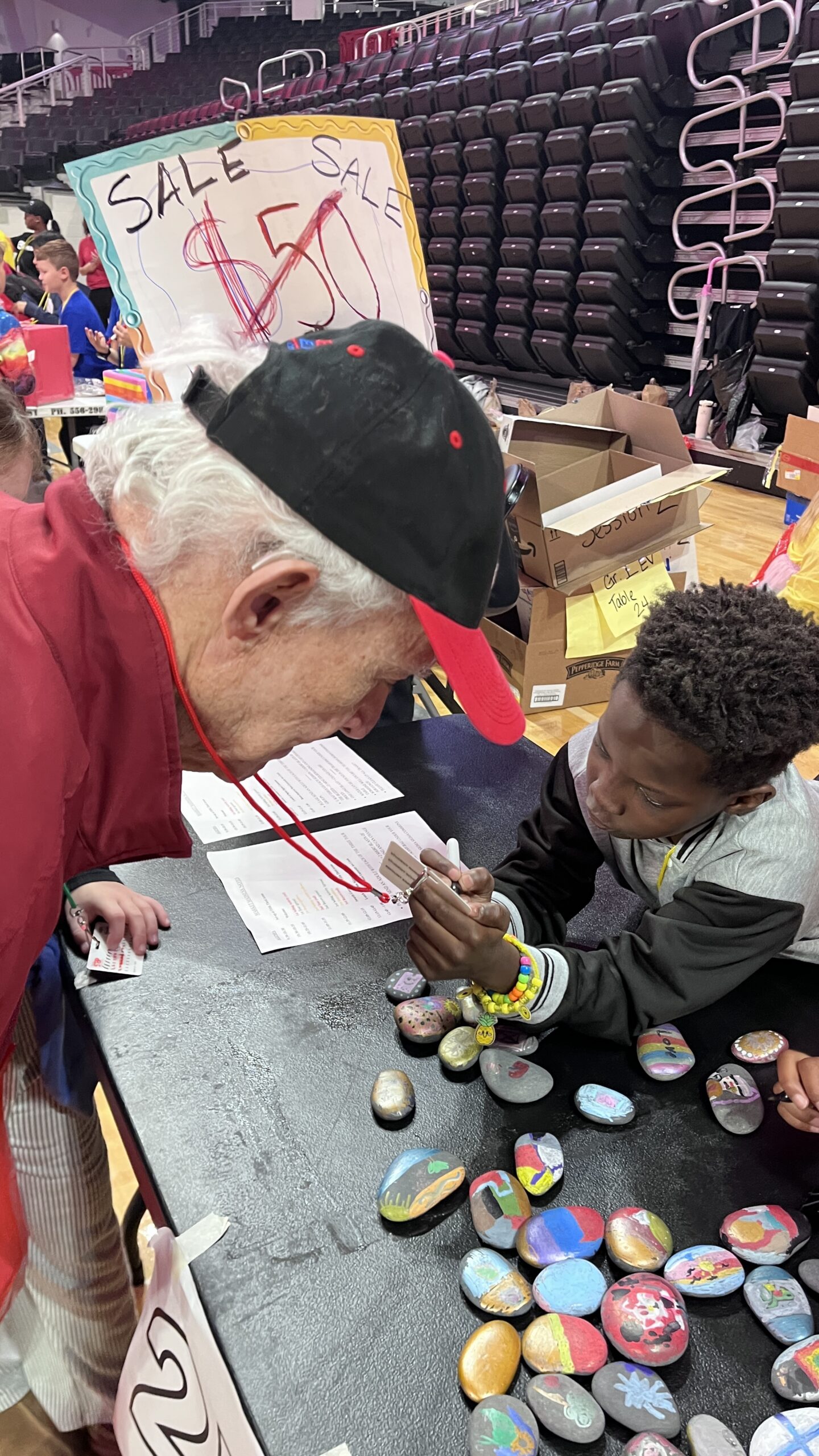


View Past Market Madness Events:
Celebrating 50 Years of Impact at the 2026 Annual Awards









Watch the Annual Awards Program
See previous Annual Awards:
Since September 2025, the Alpaugh Family Economics Center has been tracking grocery prices across 41 stores and 65 items in the Greater Cincinnati metropolitan area. This monthly report presents our latest findings — offering the kind of localized price intelligence that disappeared when the Bureau of Labor Statistics discontinued its Cincinnati-specific Consumer Price Index in 2018.
April Highlights: Grocery prices continued their gradual decline in April, with 41 of the 66 items in our tracked basket seeing price decreases — driven largely by seasonal shifts and improving supply conditions for items like olive oil, deli turkey, and fresh berries. Beef remains the main counterweight, with ongoing industry shortages pushing top sirloin, flank steak, and ground beef higher, while pears and green bell peppers saw the month’s sharpest percentage jumps. The net change in our basket since September remains under one percent. Read our full April Price Tracker blog post below for the complete breakdown. |
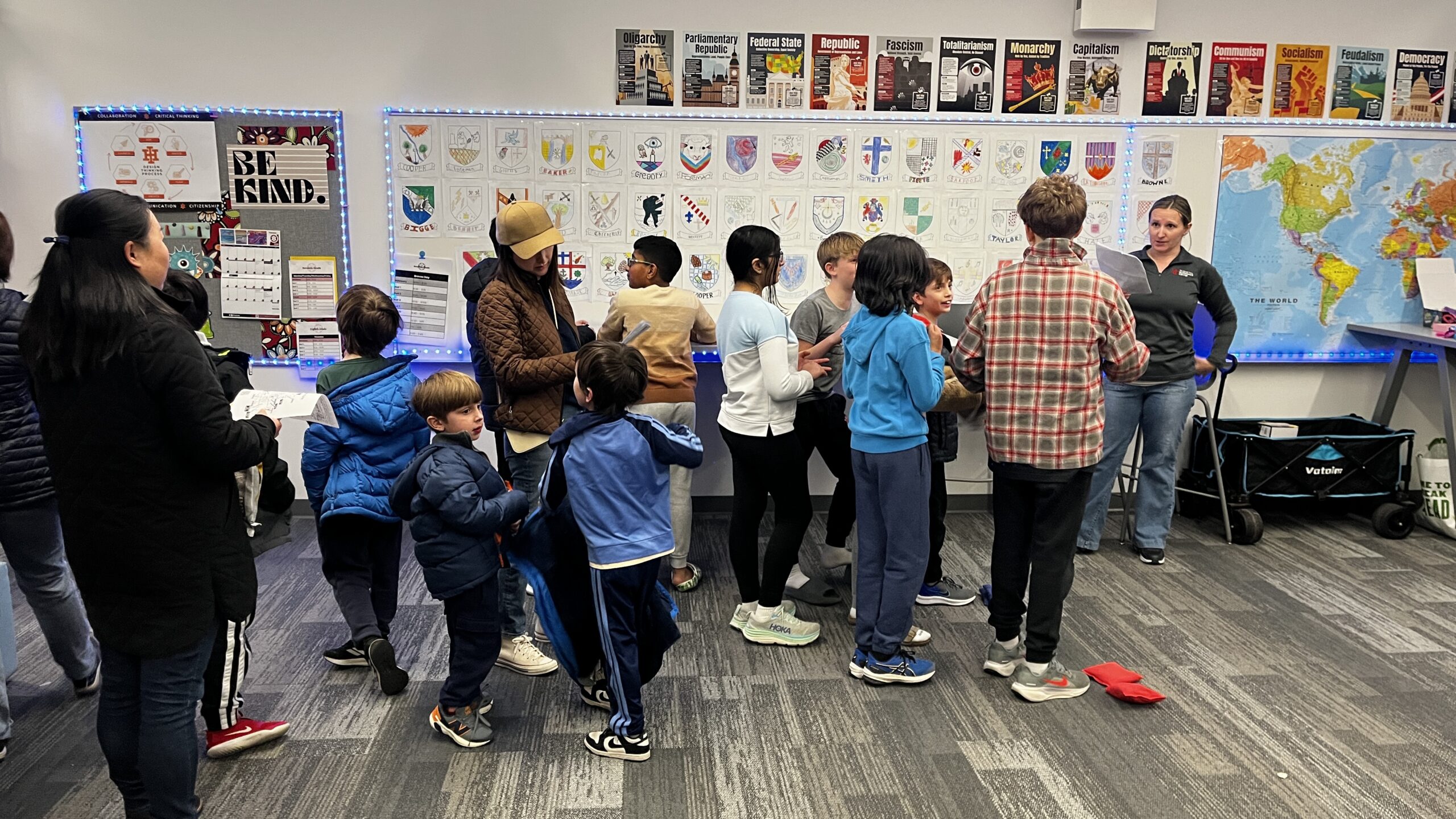
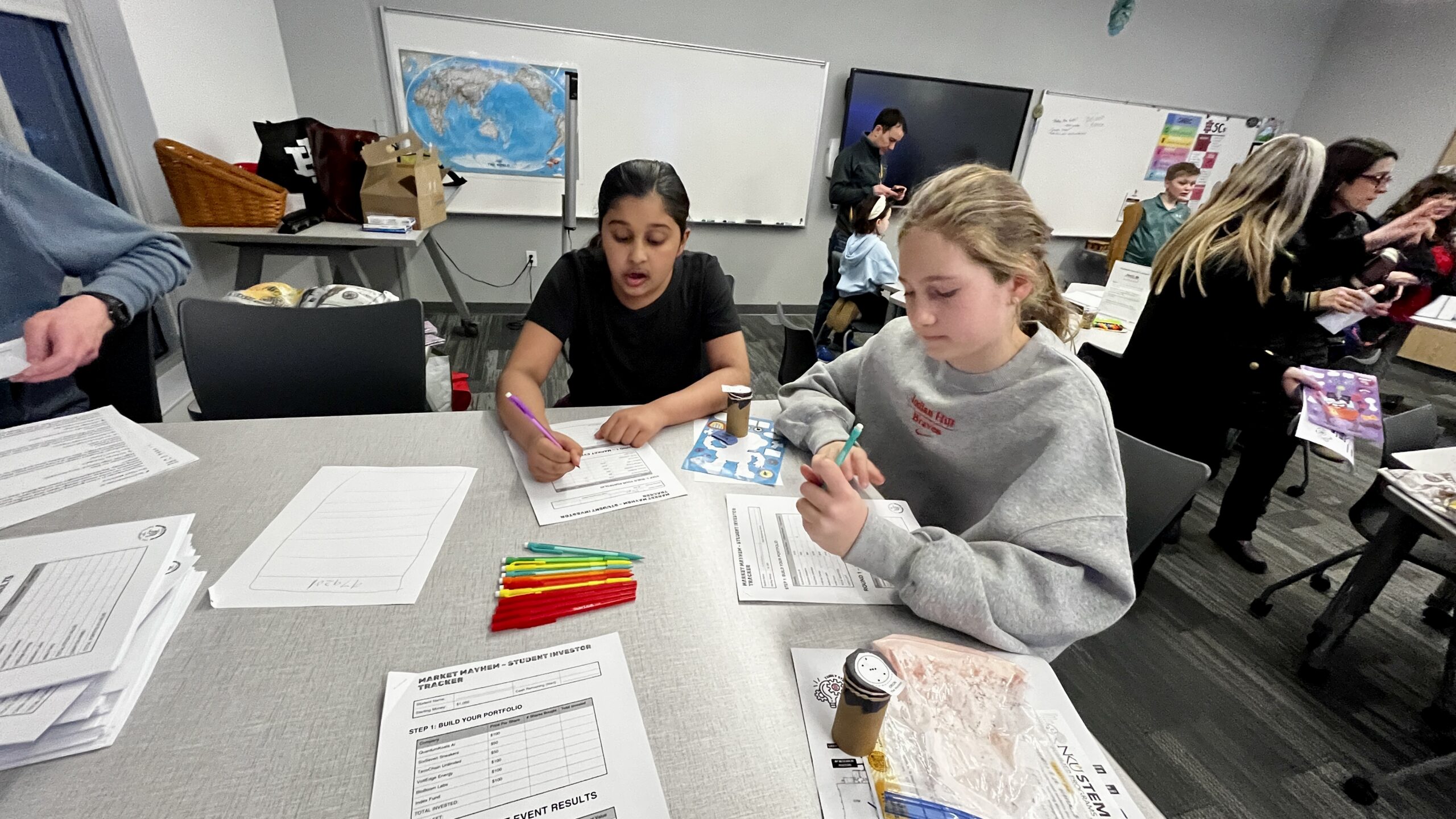
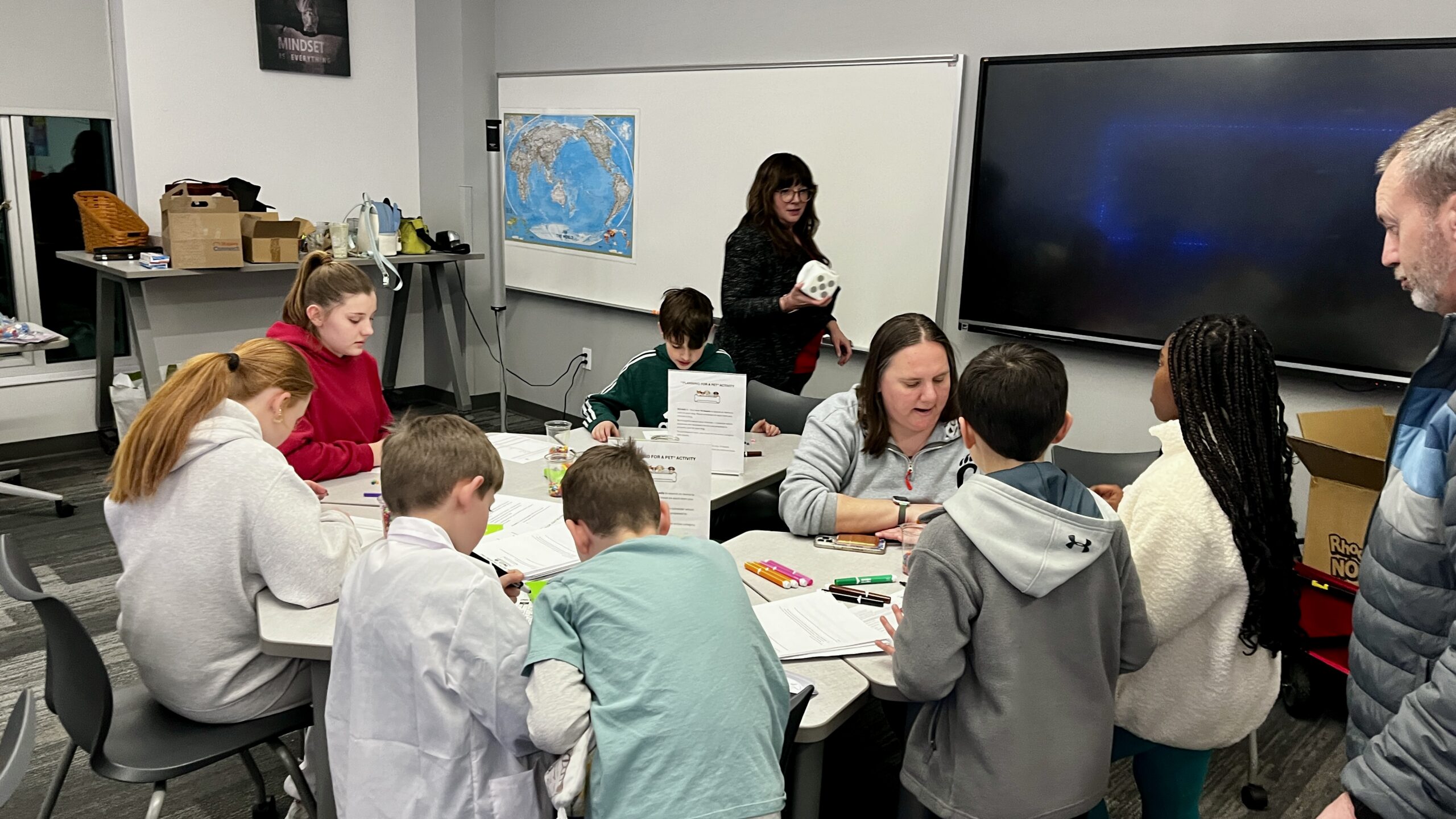
The Alpaugh Family Economics Center Brings Financial Education to Indian Hill Schools' STEM Night
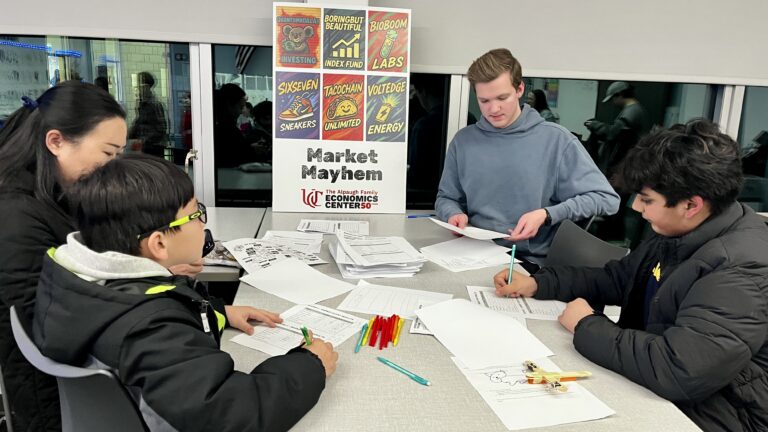
We had a fantastic time at STEM Night with the Indian Hill Exempted Village School District in late February! Our team brought hands-on games focused on math, money, budgeting, and investing, and hundreds of students came ready to compete, collaborate, and win prizes. It was great to see parents and kids working together on budgets for pets, and brainstorming their strongest investment portfolios.
The students’ grasp of economic and personal finance concepts was truly impressive. We’re grateful to have been included in Indian Hill Schools’ STEM Night again this year.
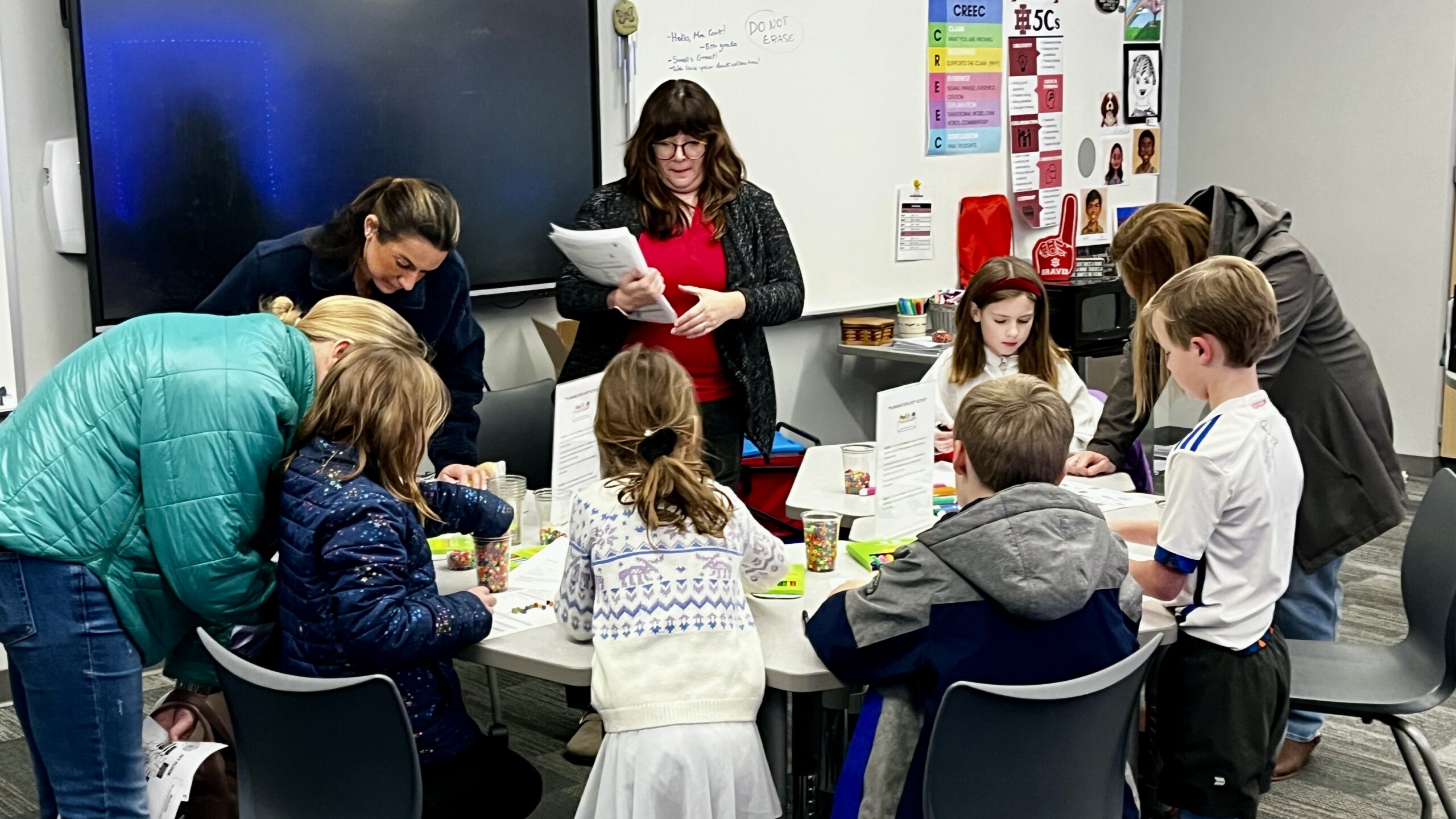
Center Co-Executive Director Sue Heilmayer Appears on Local 12 To Share Advice for Tackling Holiday Bills
Holiday bills piling up? You’re not alone. Our Co-Executive Director, Sue Heilmayer, stopped by LOCAL 12, WKRC-TV‘s Good Morning, Cincinnati to share practical tips for tackling holiday debt and getting your finances back on track in the new year.
This interview is part of an ongoing partnership with Local 12 to provide viewers with helpful consumer and personal finance information.
Center Executive Director Sue Heilmayer Appears on Local 12 To Talk About "Buy Now, Pay Later" Apps and Holiday Shopping

Center Researchers Create a Holiday Sales Forecast for Ohio

- Online shopping continues to be a growing component of retail sales, although growth has stabilized since the COVID-19 pandemic. Growth in non-store retail sales, which includes online and mobile shopping, has exceeded overall retail sales growth in Ohio since 2013.
- Employment in Ohio from January through August of 2025 was 0.9 percent higher than the same period in 2024. Additionally, wages and salaries in Ohio have increased by approximately 4.8 percent between 2024 and 2025.
- Consumer sentiment has begun to trend downwards after partially recovering from the COVID19 pandemic.
- Inflation was high following the COVID-19 pandemic, but has started to cool somewhat. After falling for two years straight, year-over-year inflation in September of 2025 increased to 3.1 percent.
- The Economics Center projects that the State’s three largest metropolitan statistical areas will again account for more than half (55.5%) of estimated relevant retail sales this holiday season.
The research team’s Ohio holiday sales forecast got a lot of media attention. You can read through that coverage here:
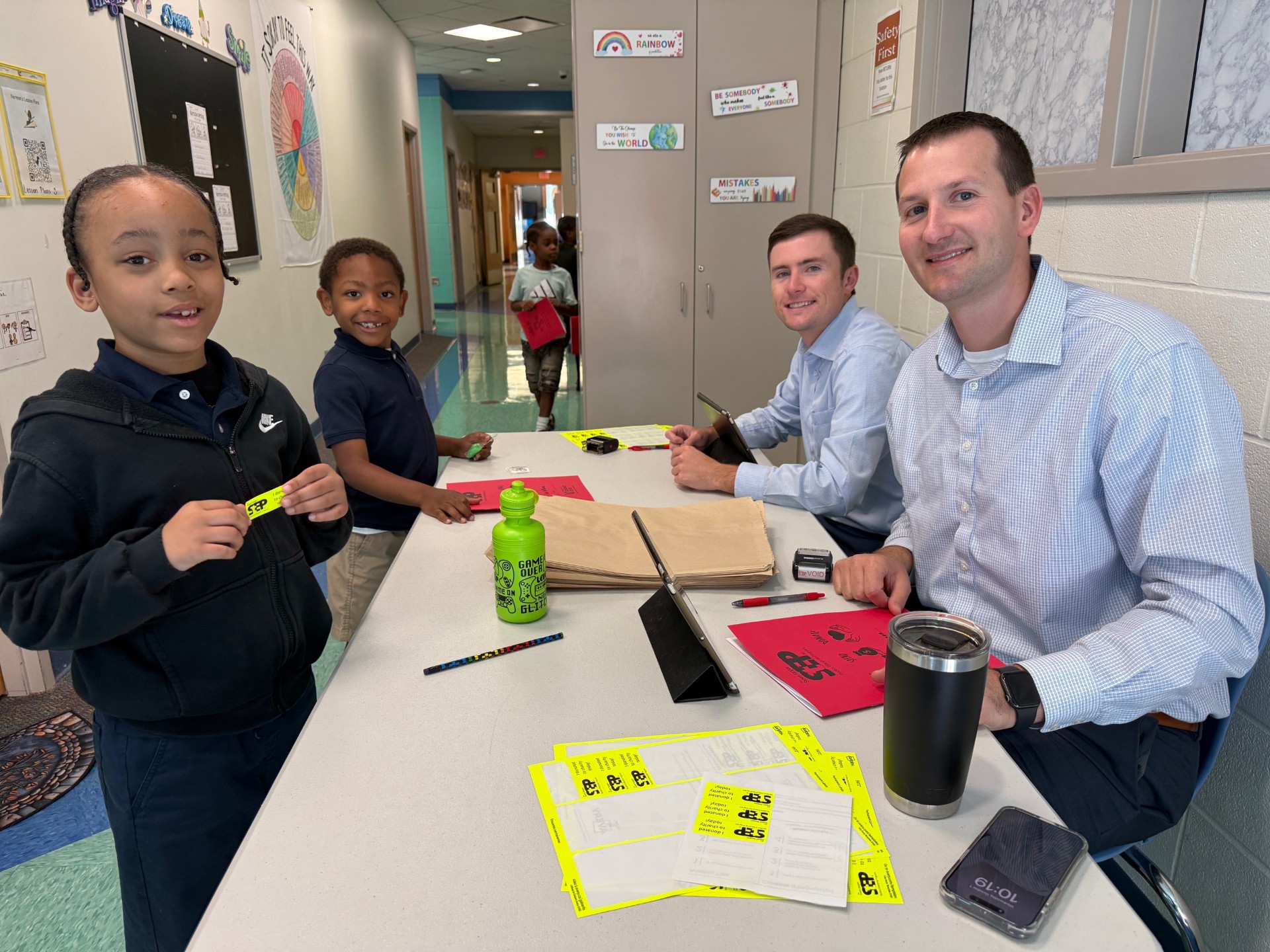
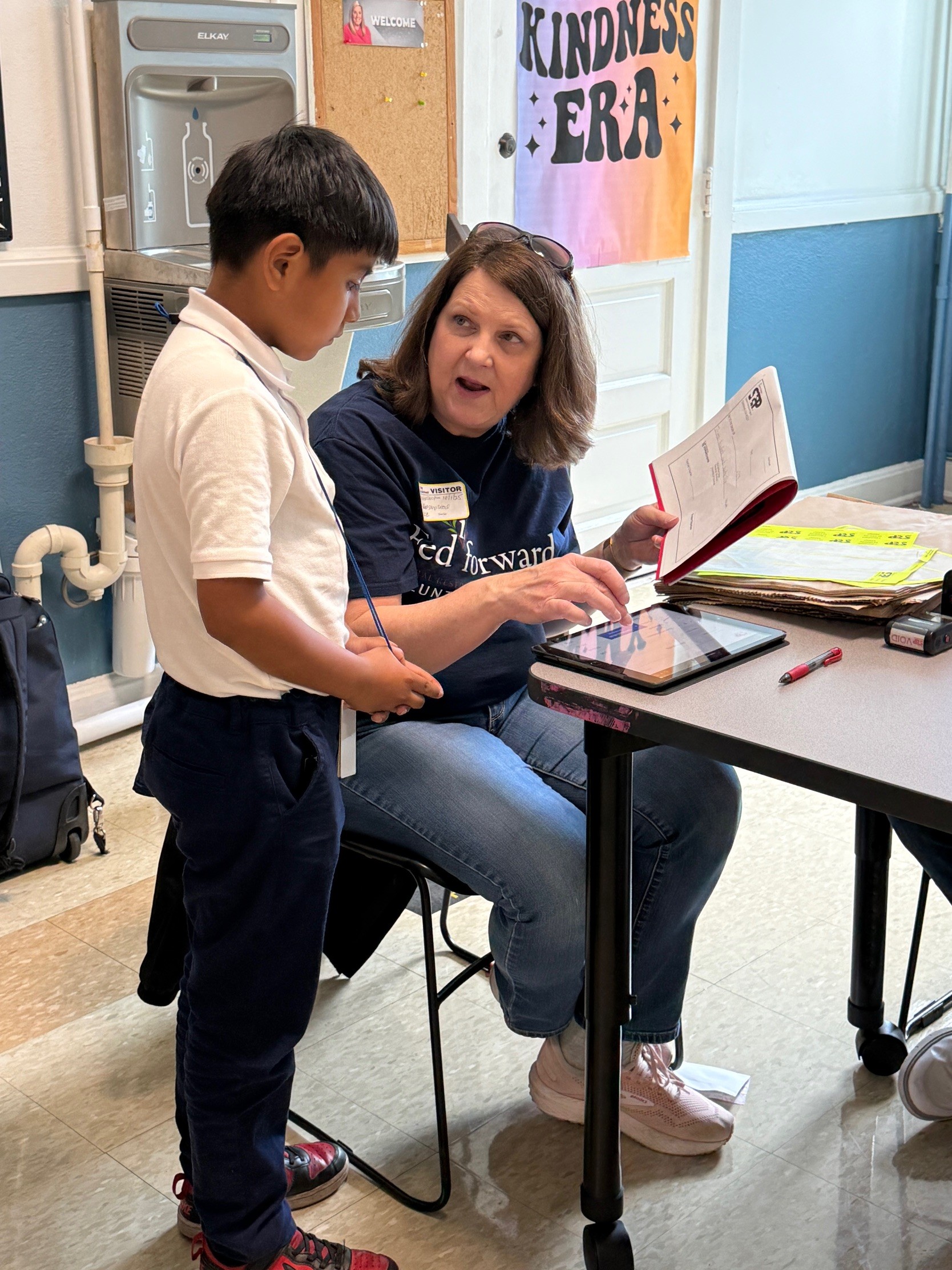
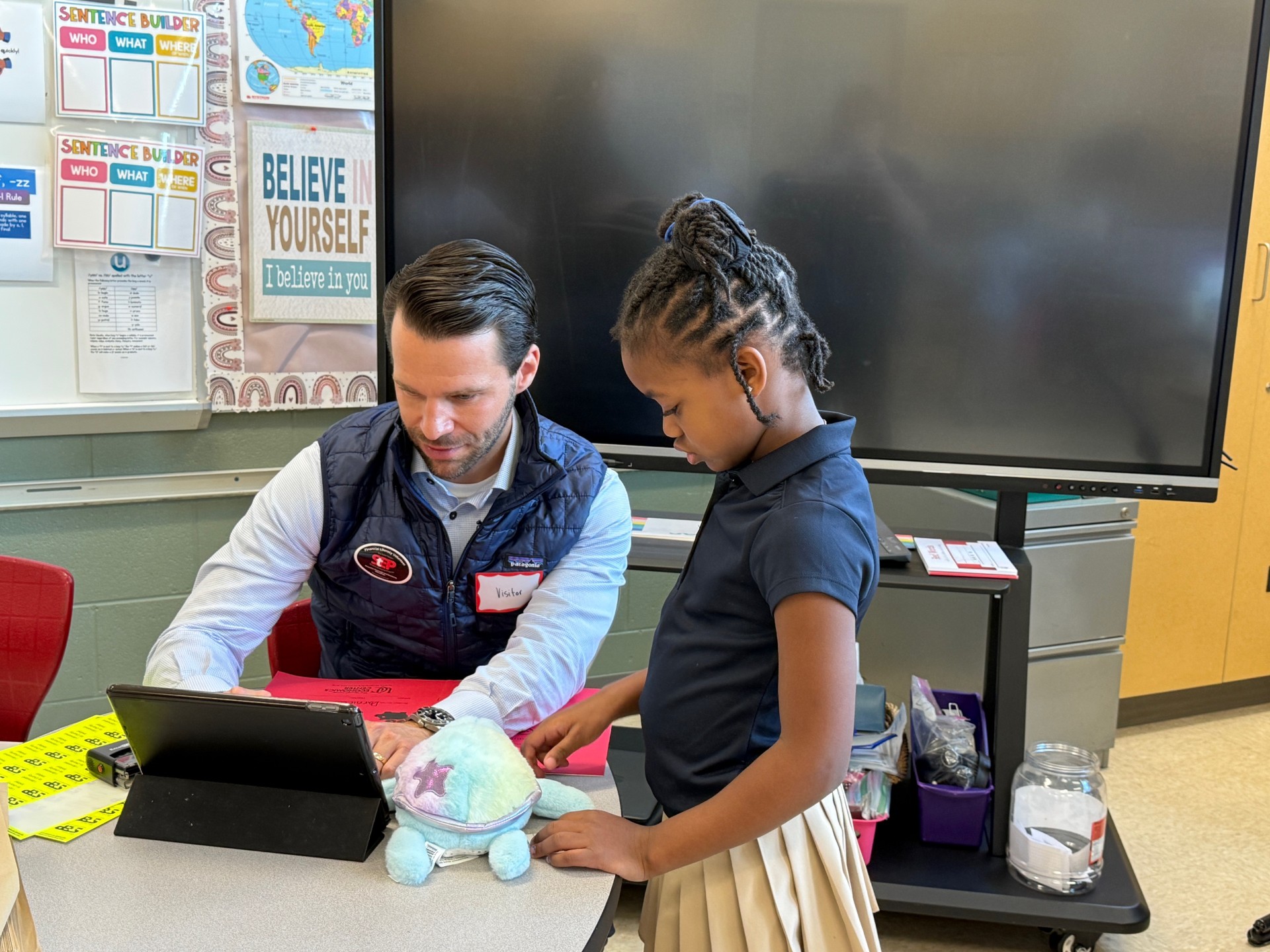
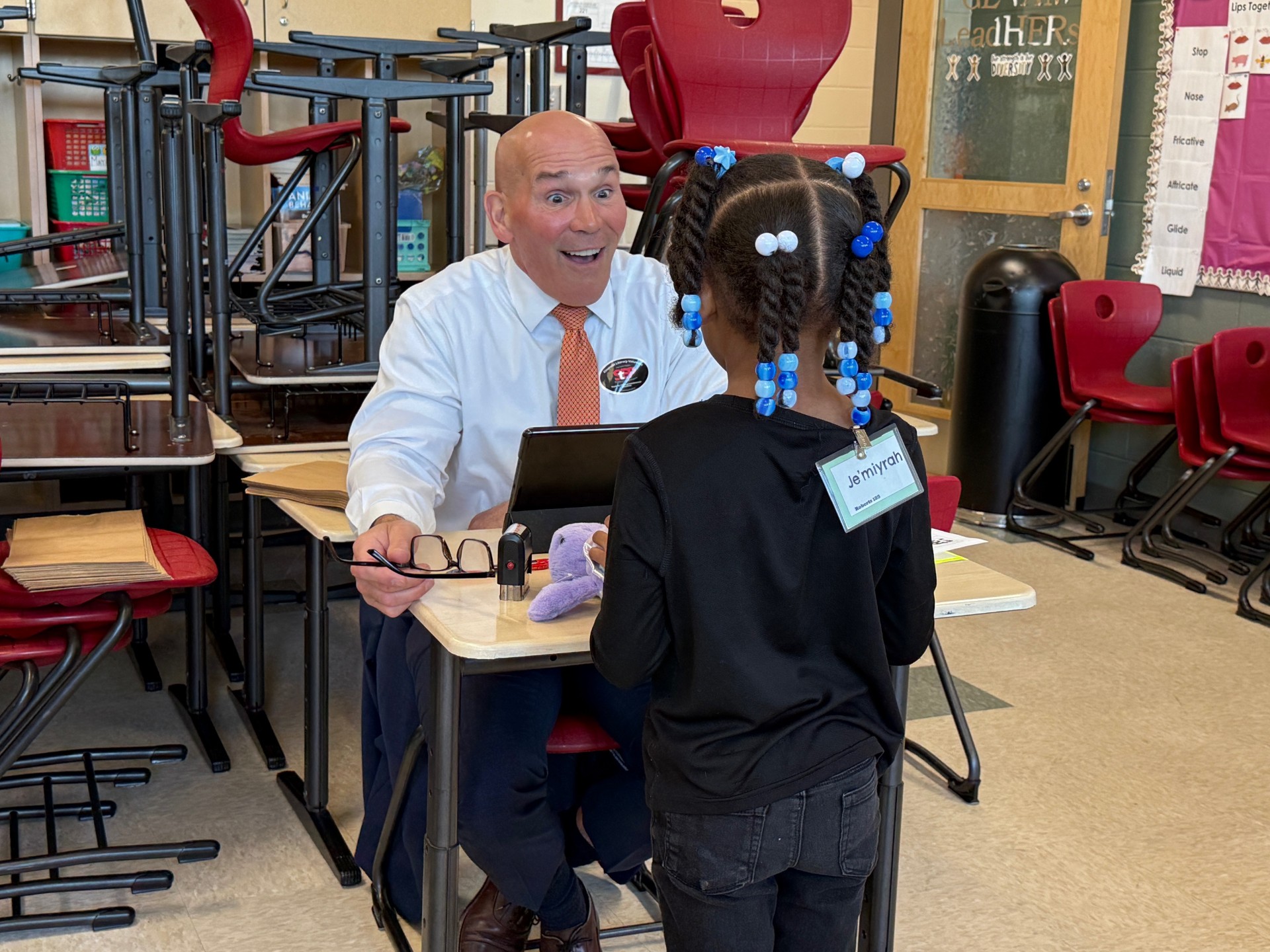
First Quarter Susan Sargen Student Enterprise Program (StEP) Stores Begin in Schools Across Greater Cincinnati and Northern Kentucky
We kicked off a brand-new year of the Susan Sargen Student Enterprise Program (StEP) this October in schools all across the Tristate—and the excitement was contagious!
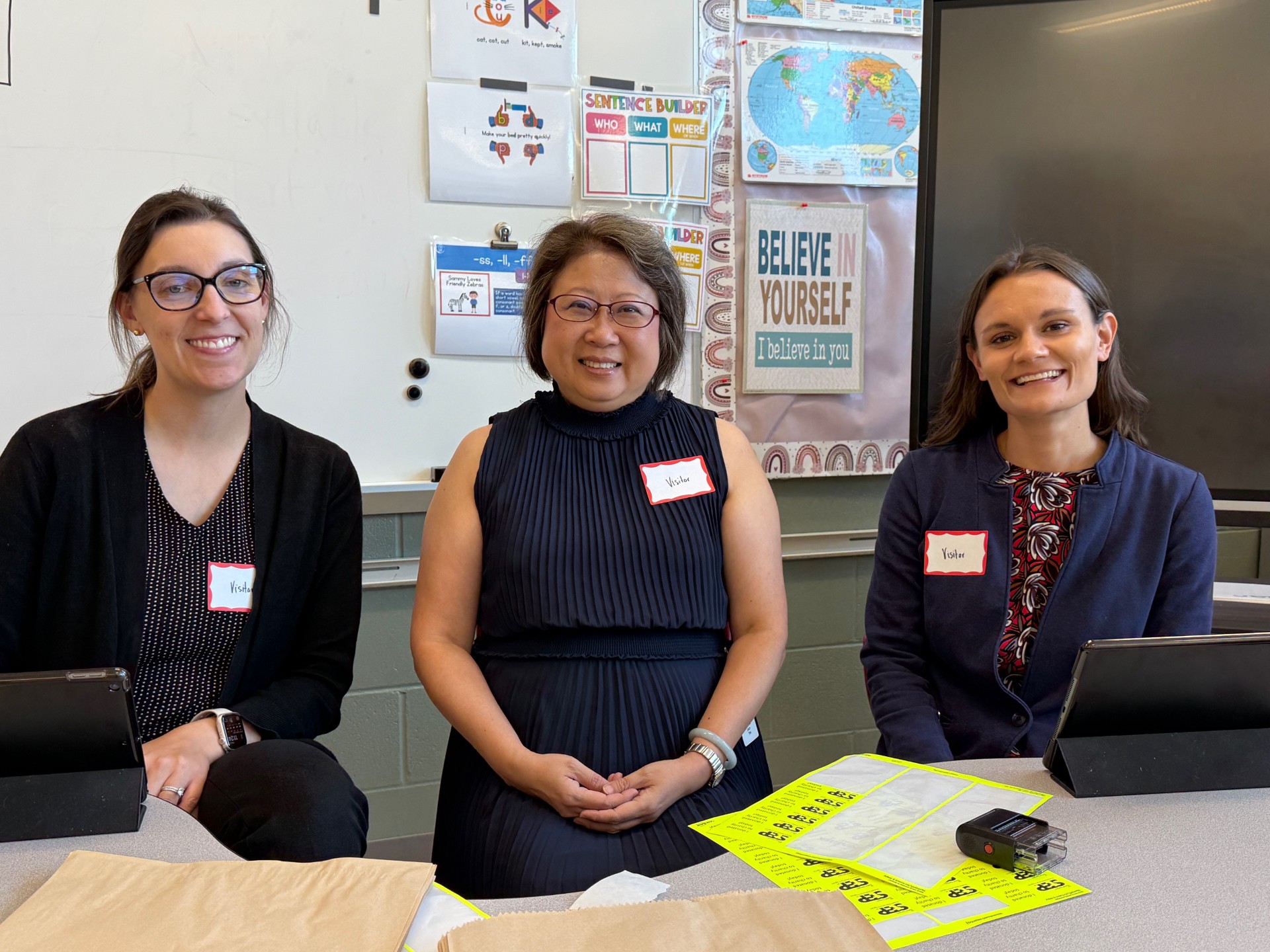
Our incredible business partners made it all possible, showing up with smiles, encouragement, and genuine enthusiasm as students poured into their StEP stores, ready to make real-world financial choices with the earnings they’ve worked so hard to earn.
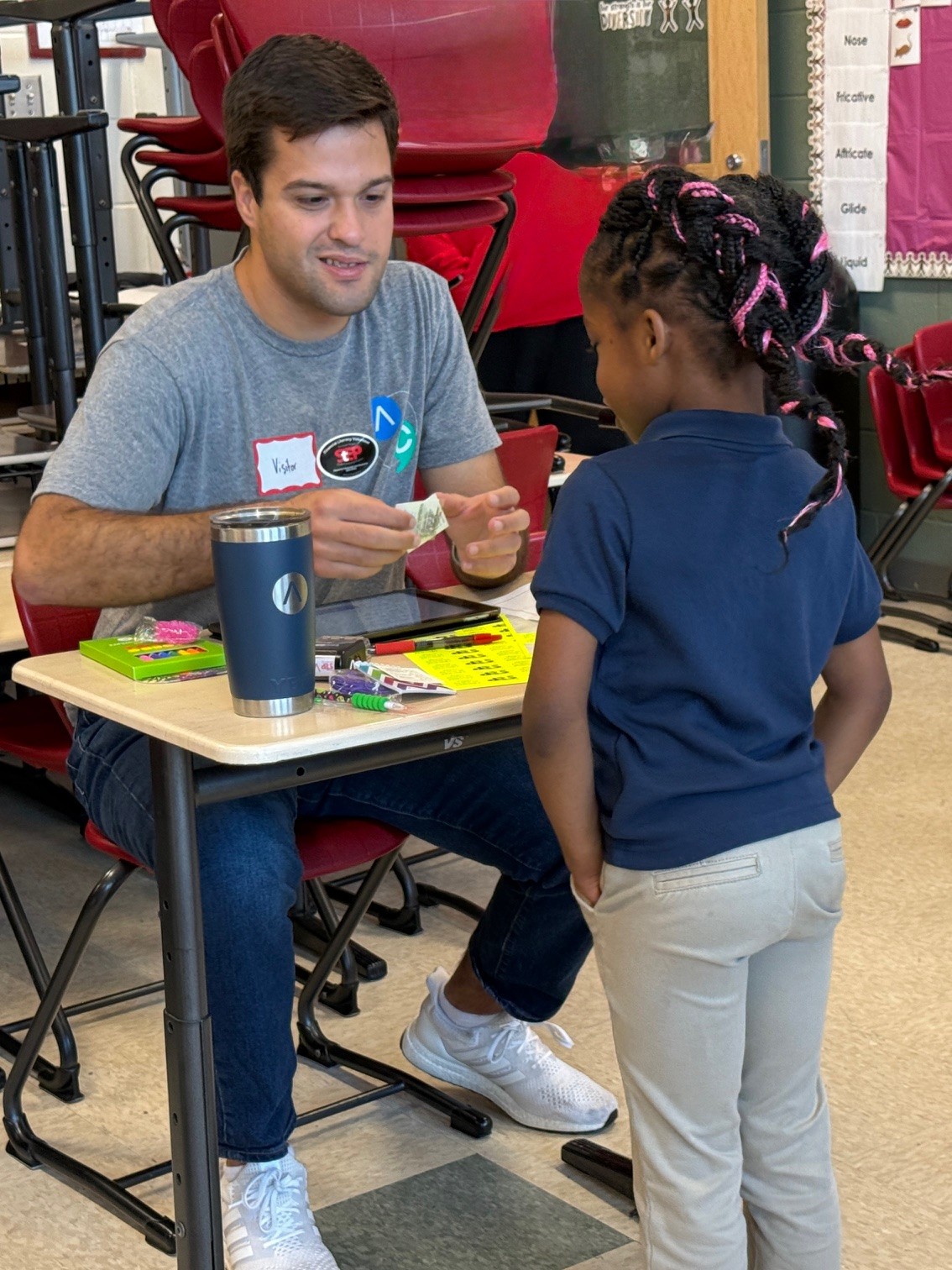
At each checkout table, students take pride in deciding how to use their StEP bucks—whether to spend them on school supplies, toys, or gift cards; save them (and earn interest!); or donate to a cause chosen by their school.
Our volunteers bring the experience to life, helping students check their math, cheering on smart choices, and sparking great conversations with icebreaker questions that help kids learn how to confidently connect with adults.
It’s pure, joyful, hands-on learning—students discovering how to spend, save, give, and budget, while gaining the confidence and skills that will carry them far beyond the classroom.











Measuring the Economic Impact of Oklahoma CareerTech

The Center’s research team, in collaboration with Oklahoma CareerTech, conducted an in-depth analysis of the economic impact generated by Oklahoma CareerTech’s 29 technology centers, 16 skills centers, and 32 adult education and financial literacy providers. The results are remarkable, revealing a nearly billion-dollar contribution to the state’s economy.
Altogether, the direct and indirect economic impact of Oklahoma CareerTech’s tech centers, Skills Centers and AEFL providers totaled $960,013,839 and supported 8,654 jobs with $456,203,361 in wages in 2023.
“This remarkable figure reflects the transformative power of our workforce training and educational programs, which equip Oklahomans with the skills needed to succeed in high-demand industries,” said CareerTech State Director Brent Haken. “This impact goes beyond numbers — it represents stronger businesses, higher-paying jobs and a more resilient workforce.”
CLICK HERE for more details!
Center Researchers Measure the Multi-Billion Dollar Economic Impact of Black Owned Businesses in Southwest Ohio & Northern Kentucky




Center researchers are in the middle of a multi-year project to measure the economic impact of Black-owned businesses in our region.
Here are some of the highlights from the latest round of research released in July:
- In 2023, Black-owned businesses in Southwest Ohio and Northern Kentucky generated approximately $1.5 billion in direct sales and employed 9,024 people with earnings totaling $341.2 million.
- These businesses supported nearly $1.4 billion more in indirect sales, supporting 7,448 jobs with $293.8 million in earnings.
- Overall, Black-owned businesses contributed more than $2.8 billion in total sales, directly and indirectly supporting 16,472 jobs with $635.1 million in total earnings.
- State and local jurisdictions benefited from $34.3 million in earnings and sales tax revenue generated by these businesses.
- The industries with the most Black-owned businesses in Southwest Ohio and Northern Kentucky were the Professional, Scientific, and Technical Services industry; the Retail Trade industry; and the Other Services industry.
“This is another groundbreaking study that displays the growth and economic power of Black-owned businesses in the Greater Cincinnati area,” said Eric Kearney, President and CEO of the Greater Cincinnati and Northern Kentucky African American Chamber of Commerce. “It is important for Greater Cincinnati’s business, civic, and political leaders take note of these accomplishments.”
“Our findings highlight the substantial contributions of Black-owned businesses to the economic fabric of Southwest Ohio,” said Brad Evans, Co-Executive Director of the Alpaugh Family Economics Center. “The data reveals that these businesses are a driving force in job creation and economic development, reinforcing the importance of continued support and investment in minority-owned enterprises.”
This research work also got quite a bit of media attention.
CLICK HERE for Local 12 News coverage
CLICK HERE for WVXU coverage
CLICK HERE for WCPO coverage
Center Researchers Measure the Economic Impact of Non-Profits in our Region


This summer our researchers also measured the economic impact of local nonprofit organizations on behalf of the Human Services Chamber of Hamilton County. The Human Services Chamber is an organization that represents more than 90 human services groups in Hamilton County, with the mission of developing and advocating for public policies that provide opportunities for all community members to reach their full potential.
Among the highlights:
- Our researchers found that nonprofit groups contributed $2.9 billion in total economic output, supported 41,023 jobs, and accounted for $1.3 billion in total wages.
- In addition, the study showed nonprofits generated a total of $87.1 million in earnings and sales tax revenue.
This research work on behalf of the Human Services Chamber also got a lot of attention from the media.
CLICK HERE for the Cincinnati Enquirer’s coverage.
CLICK HERE to watch WLWT’s coverage.
CLICK HERE to read the Cincinnati Business Courier’s coverage.
CLICK HERE for Movers & Makers’ coverage.
On behalf of The Greater Cincinnati and Northern Kentucky African American Chamber of Commerce (AACC), the Center’s research team released the results of its study, “The Economic Impact of Black-owned Businesses in Southwest Ohio Communities.” Our analysis found the economic impact of Black-owned businesses on our region totals more than $2.1 billion dollars. The impact of Black-owned Businesses in Southwest Ohio communities is responsible for directly employing 5,914 people with more than $306 million in earnings throughout the Cincinnati Metropolitan Statistical Area (MSA).
In 2021, on behalf of the AACC, the Center’s research team conducted the first study of its kinds in the nation that quantified the economic impact of Black businesses, setting a benchmark for this analysis.


With the right information, you make better choices. We empower students with high-quality financial education, and provide research clients with the data analysis they need to drive decision-making.
participate in StEP Program every year
have used $martPath
over the past decade
YOUR SUPPORTat Work
| $15 | supports one child for an entire year of learning in our StEP program |
|---|---|
| $50 | pays for two student teams to participate in the Stock Market Game |
| $100 | covers the cost of economic and financial education lessons and materials for one classroom |
| $500 | pays for a teacher to attend professional development sessions to learn how to integrate economics into the classroom |
| $5000 | provides the materials for one elementary school to participate in our StEP program for an entire year |
We’ve been in service to educators for more than 40 years, providing them with high-quality workshops, book clubs and more.